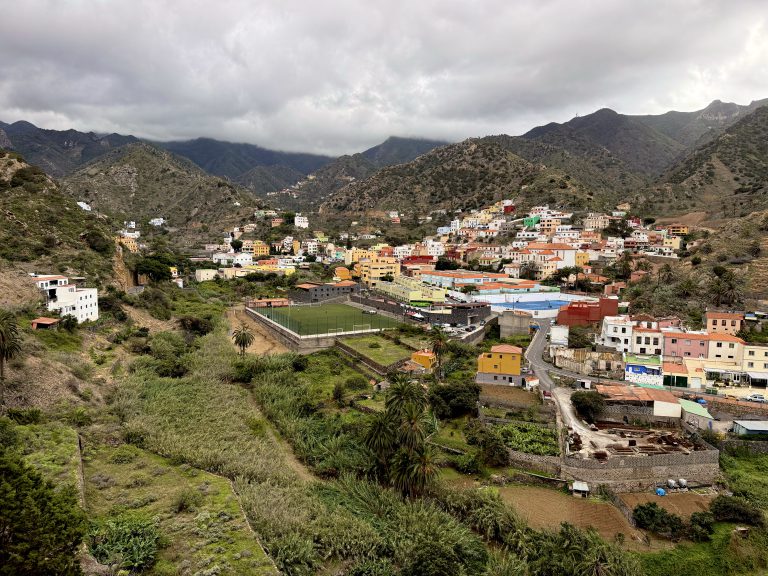
The Silbo Gomero is one of the most distinctive features of La Gomera, a whistled language capable of transmitting any message through tones and modulations that travel clearly across the ravines. This communication system was born as a direct response to the islands terrain: long distances, facing slopes, and steep paths that made the silbo the most effective way to connect towns and hamlets. In Vallehermoso, where ravines follow one after another, this language has been especially important throughout the centuries.
Origin and History
Its origin dates back to the ancient Berber inhabitants of the island, who already used a whistled language before the European conquest. Over time, the silbo became integrated into the rural life of Vallehermoso and all of La Gomera, being passed down among farmers, shepherds, and families who depended on it for warnings, meetings, or emergencies. Many of the great historic whistlers of the municipality—figures respected for their mastery of the language and their community role—became guardians of this tradition, keeping it alive even when its daily use began to decline.
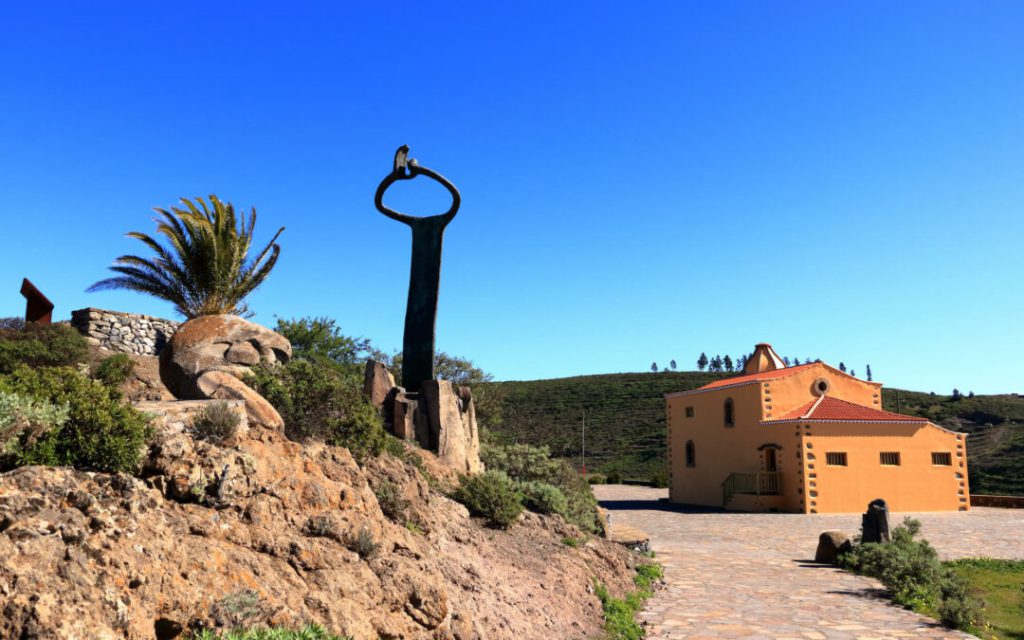
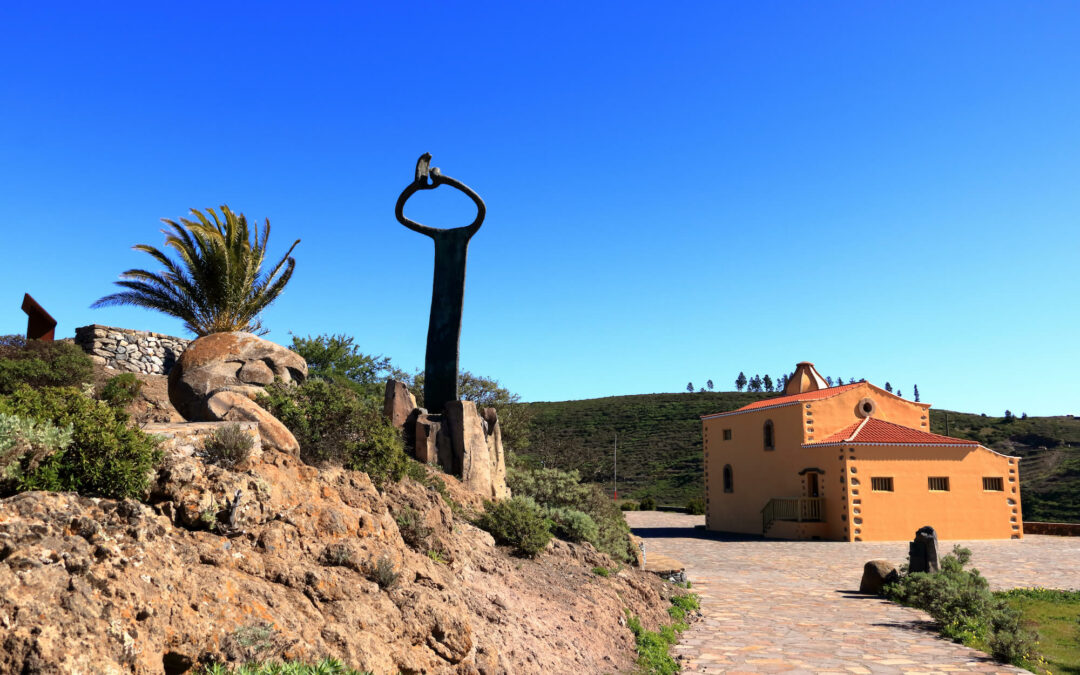
Silbo Monument in Igualero
Entre los lugares que rinden homenaje al silbo destaca el Silbo Monument in Igualero. Desde este mirador, orientado hacia los barrancos donde el silbo resonaba con fuerza, se reconoce públicamente el valor cultural del lenguaje y el papel de los silbadores que lo preservaron. Es un punto de visita obligado para quienes desean comprender la dimensión humana y paisajística que explica el nacimiento de esta forma única de comunicación.
UNESCO World Heritage
World recognition came in 2009, when the Silbo Gomero was declared Intangible Cultural Heritage of Humanity by UNESCO, consolidating its importance as one of the most unique sound legacies on the planet. Today, thanks to compulsory school learning and the efforts of whistlers from municipalities like Vallehermoso, the tradition continues alive. Its echoes—the same ones that crossed the ravines for centuries—continue to remind us that Gomeran identity is heard as much as it is seen.
Image Gallery